Need emergency tree removal services in Garland?
Worried about a tree or ready to clear a stump? Request a callback to check provider availability, or describe your project through the request form.
No obligation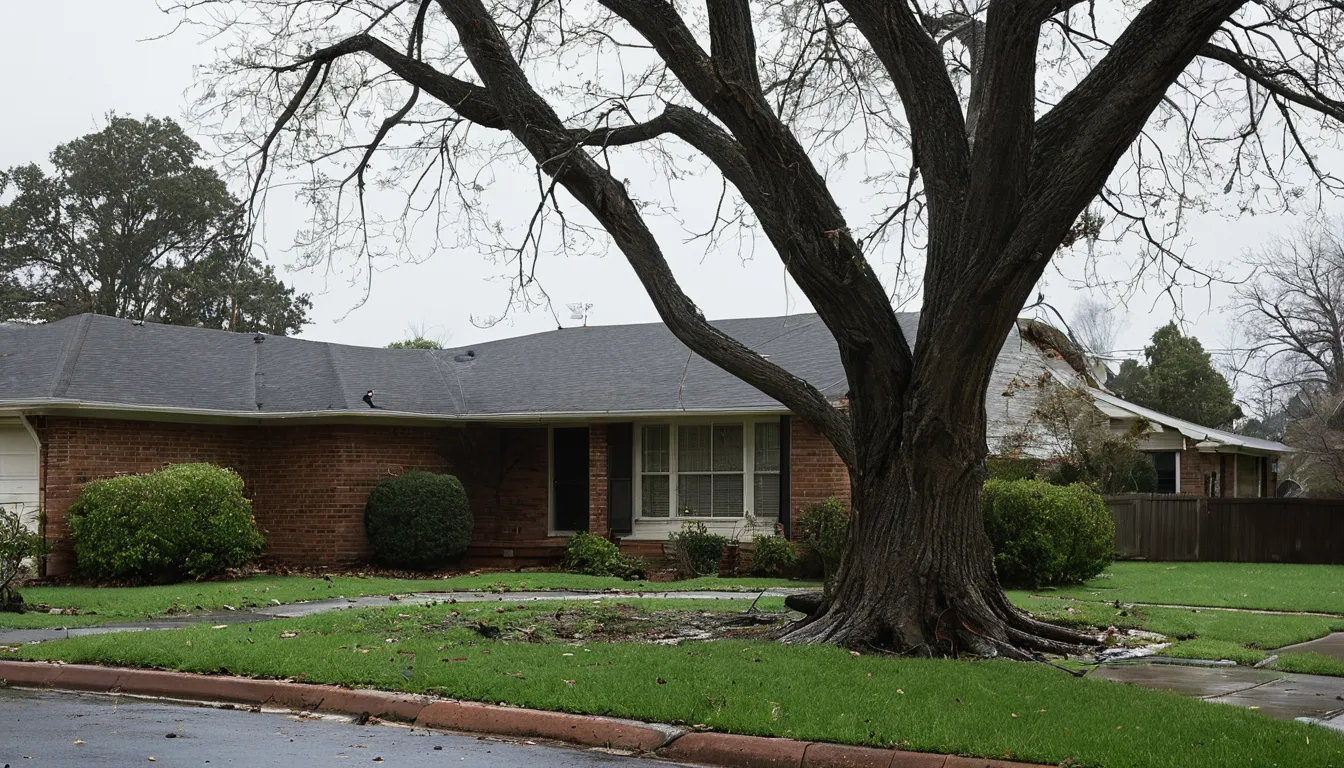
A tree does not have to fall completely to create an urgent problem. A hanging limb, a fresh trunk split, or roots lifting from wet ground can leave you unsure about using your driveway or staying near part of your home. Dreamlocked Tree Service is a referral service connecting homeowners in Garland and the Garland area with independent local tree removal providers. You explain what changed, and a provider can assess the concern and discuss the next step.
Heavy downpours and tropical storms can make an already damaged tree harder to manage. Providers in our network handle their own assessments, work plans, pricing, and schedules. Whether a tree has landed across your entrance or broken above the roof, describe its position from a safe place. The provider can explain access needs, discuss removal options, and give you a written quote before you agree to the work.
If a tree has fallen or started to break, move people and pets away from it. Avoid walking beneath hanging branches or approaching a trunk resting against your home. Broken wood can shift without an obvious warning. You do not need to inspect the damage closely before requesting help. A description from a safe place is enough to begin.
When branches touch wires, stay away from the tree, nearby fencing, and fallen lines. Contact the utility or emergency services as appropriate. Do not try to move a wire with a tool. If someone is hurt or trapped, contact emergency services first. A tree removal request does not replace help for a threat to life or an electrical hazard.
Dreamlocked Tree Service connects homeowners with independent local providers for emergency tree removal. Share whether the tree is on a building, blocking the only entrance, or partly suspended. Include any known wire involvement. Request a callback to check provider availability. The provider decides whether conditions allow an assessment and explains what can happen next.
A sudden lean, opening split, or exposed roots may need prompt assessment, especially near a house or regularly used path. Tell the provider whether the change followed rain, wind, or a branch breaking. These observations help explain your concern; they do not establish how stable the tree is. Avoid testing the trunk or moving branches to get a clearer view.
Part of a canopy may be caught in another tree. A large branch may hang over a doorway while the trunk looks unchanged. Mention what sits beneath the damaged section and whether you can avoid that area. A provider can assess the risk and determine whether removal is appropriate. Appearance alone cannot tell you how long damaged wood will hold.
Start with the tree's position and what it has touched. Describe nearby gates, fences, parked vehicles, and buildings. Photos may help if you can take them without entering the affected area. Do not climb onto a roof or stand beneath branches for pictures. Explain any access limits, including a narrow side yard or ground that has become muddy after rain.
The provider assesses how the tree is supported, where damaged sections could move, and how equipment can reach the site. Removal may involve lowering pieces separately rather than moving the whole trunk at once. Ask the provider to explain the proposed sequence in plain language. You should understand which areas need to stay clear and what the quoted work includes.
A tree resting on a roof or leaning across a fence needs a plan that accounts for those contact points. Tell the provider about patios, drainage features, and known underground utilities near equipment access. For older homes, mention tight spaces around raised floors or foundations. Discuss access protection and possible ground disturbance before agreeing to the equipment route.
After widespread wind damage, providers may receive requests across a large area. Blocked roads, unsafe weather, utility work, and equipment needs can affect the order of visits. Ask for the current scheduling outlook and how changes will be communicated. Keep the damaged area clear while waiting. An appointment estimate may change if the provider encounters conditions that prevent safe work.
The words storm tree clearance can describe different amounts of work. Ask whether the quote includes cutting, lifting, loading, and hauling the damaged tree material. Confirm whether smaller branches will be collected and where any retained wood will sit. If your main concern is reopening an entrance, explain that priority so the provider can distinguish urgent access work from the remaining cleanup.
Some policies may cover sudden damage; check your policy and ask your insurer about your situation. Take photos only from safe locations, and keep written quotes, invoices, and messages about the work. Providers can often help document damage for a claim. Ask your insurer what records it needs, but keep decisions about avoiding the hazardous area separate from the claim process.
Saturated ground and strong wind can add stress to a tree with existing damage. Once conditions settle, look from a safe distance for new leaning, lifted soil, or broken sections caught overhead. Mild winter weather does not rule out storm damage, and unusual cold can leave damaged branches. Report visible changes to a provider instead of assuming the problem has passed with the weather.
Ask who will perform the work, what equipment is expected, and whether utility coordination is needed. Confirm the removal boundaries, hauling arrangements, payment terms, and handling of additional work. If you searched for a tree falling service, explain the actual situation: standing damage, a suspended section, or a tree already down. That detail helps the provider discuss the appropriate service.
You do not need to know the removal method before reaching out. Describe the concern, explain access limits, and ask about an assessment. Dreamlocked Tree Service handles the referral connection; the independent provider discusses the work, price, and appointment with you. If you prefer to start in writing, use the request form and include the change that worries you.
Describe fallen sections, a new lean, or hanging branches so a local provider can assess your concern. Mention whether the tree is near a home, driveway, or power line.
A local provider explains the proposed approach, equipment needs, and areas to avoid while removal takes place.
Discuss gates, wet ground, nearby buildings, and other limits that may affect equipment reaching the tree.
Confirm which damaged branches and trunk sections the provider will haul away after removal.
These typical U.S. ranges are broad planning guides, not local offers. Tree position, access, equipment, and storm demand affect each job. Get a written quote from the provider before agreeing.
| Item | Typical U.S. range | Notes |
|---|---|---|
| Accessible fallen tree removal | $300 – $1,200 | A tree on open ground; size and hauling affect pricing. |
| Small damaged standing tree removal | $400 – $1,500 | Access and the condition of the trunk affect the work. |
| Large damaged standing tree removal | $1,000 – $3,500 | Height, spread, and nearby structures can add complexity. |
| Tree removal from a roof | $1,500 – $5,000 | Careful lifting may be needed; building repairs are separate. |
| Removal requiring a crane | $2,000 – $6,000 | Equipment setup and lifting needs vary; complex jobs may exceed this. |
| Separate storm debris hauling | $200 – $800 | Ask whether hauling is already included in the removal quote. |
Explain what changed, where the tree sits, and whether it affects your home or access to it.
Ask about an assessment and explain any known hazards before arranging access.
Confirm removal details, hauling, equipment access, and the written quote with your provider.
Agree on an appointment and follow the provider's instructions for keeping clear.
Dreamlocked Tree Service connects you with independent providers, who assess the tree and explain the proposed work.
Know which details to share without approaching broken branches or unstable trunks.
Consider recent rainfall and wind when explaining changes you notice around trees.
Discuss the scope, written price, and appointment directly with the provider before agreeing.
Worried about a tree or ready to clear a stump? Request a callback to check provider availability, or describe your project through the request form.
No obligationA new lean, especially with lifted soil or cracking, needs a provider's assessment. Keep away from the affected area. The provider can determine whether removal is needed after examining the tree.
A provider may be able to remove it using controlled lifting or sectioning. The approach depends on the tree's position, building damage, and equipment access. Describe the contact with the roof when requesting an assessment of the situation.
Dreamlocked Tree Service is a referral service, so the independent local provider sets the price and schedule. Ask the provider for a written quote covering the removal method, debris hauling, and any extra charges before you agree to the proposed work and appointment.
Worried about a tree or ready to clear a stump? Request a callback to check provider availability, or describe your project through the request form.
No obligation